


Quick Answer: The most effective way to move heavy logs and log rounds without heavy equipment is to roll and haul with a dedicated hand tool - such as a cant hook, pickaroon, or the LogOX 3-in-1 Forestry MultiTool. In a 2019 Fairfield University study, the tool's hauler component reduced back strain by up to 93% compared to lifting log rounds by hand.
You don't necessarily need a tractor, skidder, or ATV attachment to move logs on a small property. For storm cleanup, firewood cutting, trail clearing, and general land management, purpose-built hand tools are completely viable - often more practical than powered equipment in tight, uneven, or wooded terrain.
This guide covers the best manual log-moving tools, a step-by-step technique for moving a heavy log safely, and how to choose the right tool for your property's size and workload.
Key Takeaways:
-
Rolling logs with a cant hook is safer and less physically demanding than trying to roll them by hand.
-
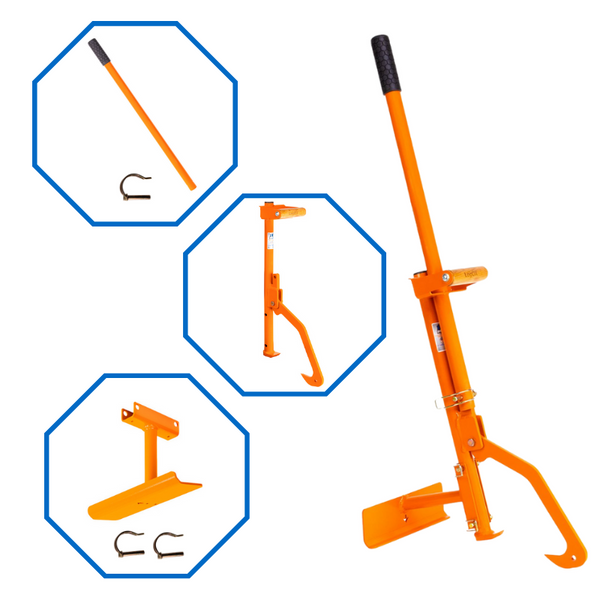
The LogOX 3-in-1 Forestry MultiTool combines a log hauler, cant hook, and timberjack in one tool.
-
Lower back strain is one of the biggest risks in DIY log work - the right tool is your best preventive measure.
-
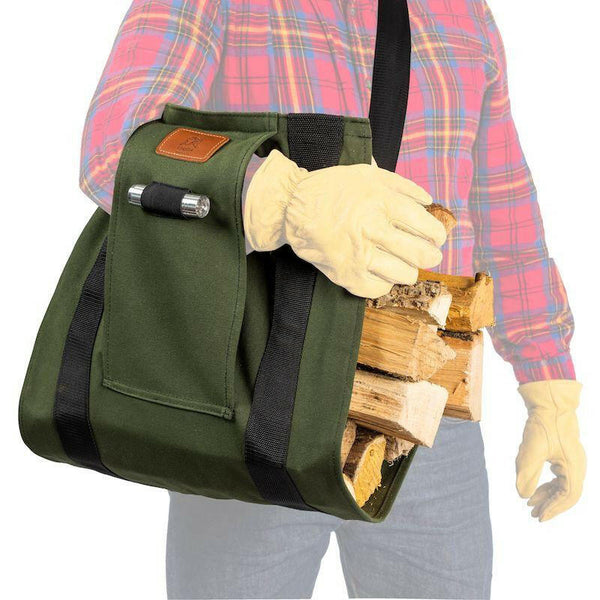
A firewood carrying sling distributes the load across your shoulders, reducing back strain when moving split rounds to storage.
- Hand tools can go with you to work in spots no tractor can reach at a fraction of the cost.
1. Why You Don't Always Need Heavy Equipment to Move Logs
Many landowners assume moving logs requires a tractor, skidder, or ATV attachment. For commercial timber operations, that's true. But for storm cleanup, firewood cutting, trail clearing, and land management on smaller properties, purpose-built hand tools are completely viable.
Hand tools can maneuver into spots no tractor can reach, cost a fraction of powered equipment, and, when used correctly, make moving logs much faster, safer, and easier. The gap between 'manual effort' and 'brute force' is the right tool.
2. The Real Risk of Moving Logs Without the Right Tools
Lifting logs the wrong way is one of the fastest routes to a lower back injury. The most damaging movement is picking up a log round flat off the ground - full spinal flexion under load, often combined with a twisting movement.
A 2019 ergonomic impact study at the Fairfield University School of Engineering found that using the LogOX Hauler reduces back strain by up to 93%, bicep strain by 76%, and quadricep strain by 86% compared to lifting log rounds by hand. The right log moving tool is not a luxury - it is a safety item.

3. Manual Log Moving Tools: What Each One Does and When to Use It
Different tools suit different jobs. Here's what each does and when it's the right choice.
1. The Log Hauler and 3-in-1 Forestry MultiTool
The LogOX 3-in-1 Forestry MultiTool is the most versatile manual log moving tool for homestead and small-property use. In a single tool it combines three functions:
-
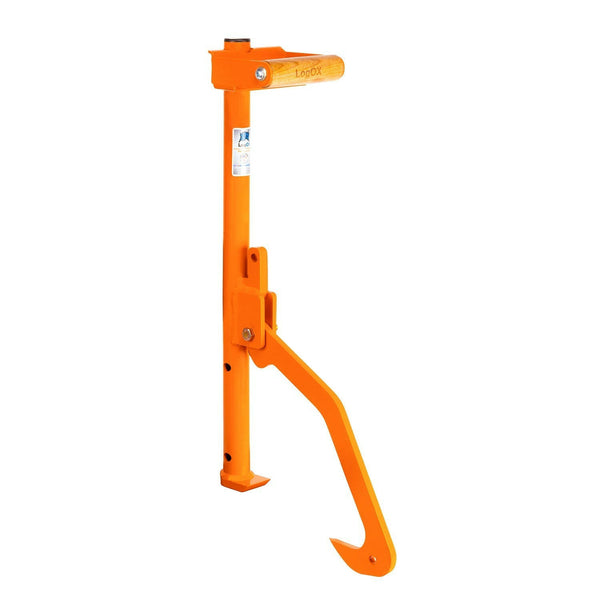
Log Hauler (21"): a heavy-duty hook that bites into the log, letting you lift, drag, and carry log rounds with a straight back - no bending over.
-
Cant Hook (40"): a lever arm that rolls and pivots logs to position them for splitting, stacking, or bucking without bar pinching.
- BigFoot Timberjack: elevates logs off the ground for bucking, protecting your chainsaw from ground strikes.
Best for: moving log rounds from the cut site to the woodpile, repositioning for splitting, and managing logs in tight spaces.
2. Cant Hook
A traditional cant hook uses a hardwood handle with a fixed iron hook and a movable dog to grip the log surface. Set the hook, apply downward pressure, and roll the log over. Best for larger logs that need more leverage to roll than what a 40” cant hook can provide, often in a sawmill scenario where the log cannot be partitioned into smaller parts.
3. Pickaroon and Hookaroon
A pickaroon is a single-handed tool with a sharp curved hook you swing into the log end to drag or steer it. The PickOX Pickaroon Attachment fits into the cant handle extension of the LogOX 3-in-1 Forestry MultiTool, turning it into a 30" pickaroon - a 4-in-1 tool. Best for picking up split wood without bending over, dislodging stuck rounds from a wood processor, and pulling wood out of a truck bed or wagon.
4. Log Tongs
Log tongs grip the log from two sides using a scissor-like jaw that tightens as you lift. Effective for two-person lifts and loading rounds onto a splitter. For solo use, tongs require actually lifting the log - best reserved for smaller rounds, but will require more bending than a LogOX Hauler.
5. Firewood Carrying Sling
Once rounds are split, a firewood carrying sling lets you carry a full load of firewood indoors at your side like a messenger bag, with the weight distributed across your shoulders instead of your arms. A Fanshawe College study found the WoodOX Firewood Sling's upright carrying posture reduces L4/L5 spinal compression by 54% compared to other carrying methods.

4. How to Move a Heavy Log Step-by-Step (Without a Tractor)
Step 1: Assess the log and your route. Walk the path before you touch the log. Clear trip hazards - branches, rocks, uneven ground. Note any slopes; rolling downhill requires significantly less effort than rolling on flat ground.
Step 2: Break the log free from the ground. Logs on the ground sink into soil, especially after rain. Set your cant hook and lever one end loose before you start rolling - or use the BigFoot Timberjack on the LogOX 3-in-1 Forestry MultiTool to lift and prop the log clear of the ground (which also protects your chainsaw if you're bucking first). Trying to roll a partially embedded log is how backs and tools get damaged.
Step 3: Roll, don't lift. Make your stove length cuts halfway through, then set the cant hook or log hauler and roll the log over, and finish the cuts. Each rolling motion moves the log its own circumference forward. On a slope, gravity does most of the work - your job is to control it.
Step 4: Haul over short distances with the hook end. For final positioning - onto a splitting block, your wagon, or the last few feet to a woodpile -remove the handle extension and use the Hauler by itself to engage the log rounds. Keep your back straight, bend slightly at the knees, and lift.
5. Log Moving Safety: Protecting Your Back and Joints
-
Keep the load close to your body - the further from your center of gravity, the more torque on your spine.
-
Never twist under load - move your feet to change direction before the log moves.
-
Clear your footing before every move - a stumble while rolling a heavy log can cause serious injury.
-
Take breaks - fatigue is when form breaks down and injuries happen.
- Use the right tool for the log diameter - don't try to pickaroon a log that needs a cant hook.
6. Choosing the Right Tool for Your Property
Small property, firewood focus: The LogOX 3-in-1 Forestry MultiTool handles hauling, rolling, and positioning. Add the WoodOX Firewood Sling for carrying split rounds. Together they cover the full workflow from harvest to hearth.
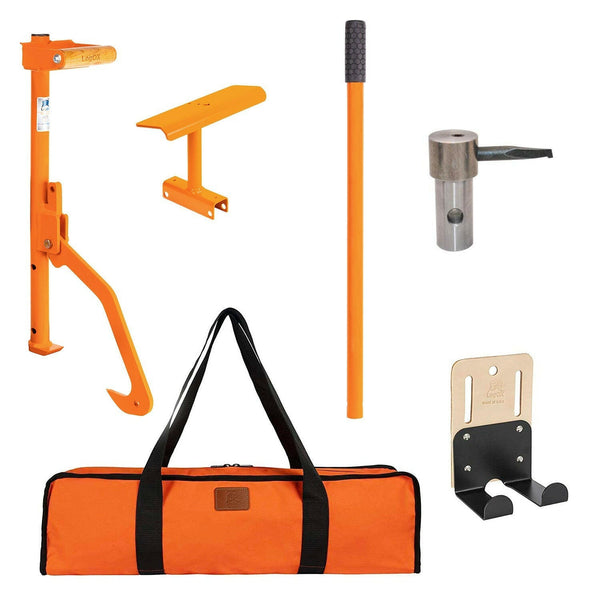
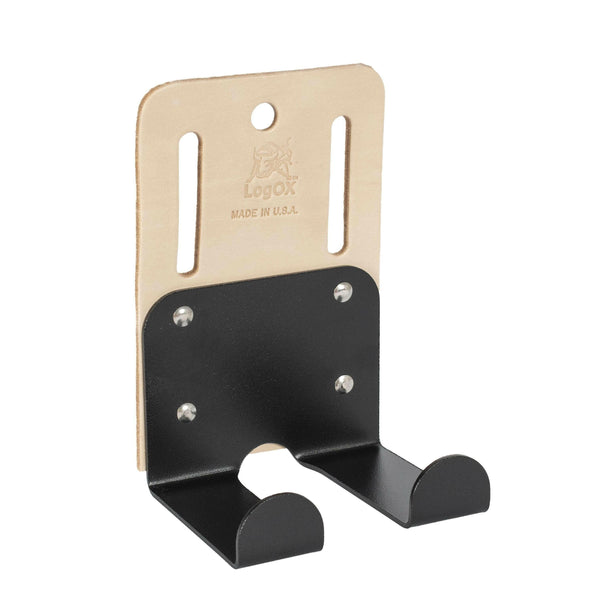
Mid-size property with mixed work: Add the PickOX Pickaroon Attachment for one-handed wood handling. The LogOX Forester Package bundles the 3-in-1 MultiTool, the PickOX attachment, a Hauler Holster, and the CarryOX Gear Bag - the complete kit for property owners who do it all.
Large property with ATV access: Supplement the aforementioned hand tools with an ATV log skidder for moving large volumes of logs over longer distances. Hand tools handle final positioning at the splitting area.
Frequently Asked Questions
1. What is the easiest way to move logs?
Rolling with a cant hook or log hauler is the easiest method - each rotation moves the log its full circumference with far less force than lifting or rolling them by hand. The LogOX 3-in-1 Forestry MultiTool is built specifically for this rolling-haul technique.
2. How do you move a heavy log by yourself?
Use the LogOX 3-in-1 Forestry MultiTool - the timberjack lifts the log off the ground for bucking smaller diameter logs, the cant hook rolls logs into position, and the hauler lets you lift and drag branches and log rounds, all without bending over. One person can manage most homestead-scale logs with this approach.
3. What tools do you need to move logs?
At minimum: a LogOX 3-in-1 Forestry MultiTool to cover all the bases of processing a downed tree. The LogOX Forester Package covers the hauling and rolling side in one kit plus its accessories; pair it with the WoodOX Firewood Sling for carrying split wood.
4. How heavy a log can one person move manually?
There's no fixed limit - it depends on terrain and technique. Rolling with a cant hook lets one person move logs far heavier than they could ever lift, and the LogOX Hauler gives you a secure enough grip to handle as large a log round as you could otherwise lift with two hands. For big logs over longer distances, a tow-behind ATV log skidder (rated to 1,200 lbs and 20" diameter logs) takes over.
5. Does the LogOX Hauler really reduce back strain by 93%?
Yes - a 2019 Fairfield University School of Engineering study found the LogOX Hauler reduces back strain by up to 93%, biceps strain by 76%, and quadriceps strain by 89% versus lifting log rounds by hand.
Conclusion
Moving heavy logs without heavy equipment comes down to the right tool and the right technique. Rolling beats lifting. Leverage beats muscle. The LogOX 3-in-1 Forestry MultiTool and the WoodOX Firewood Sling cover the full process from forest to fireside - from Harvest to Hearth®.


Leave a Comment
We read every one. Share your setup, ask a question, or drop a tip for fellow wood burners.